
Liquor licence for a corporate event: when you need an occasional permit, and when you don't
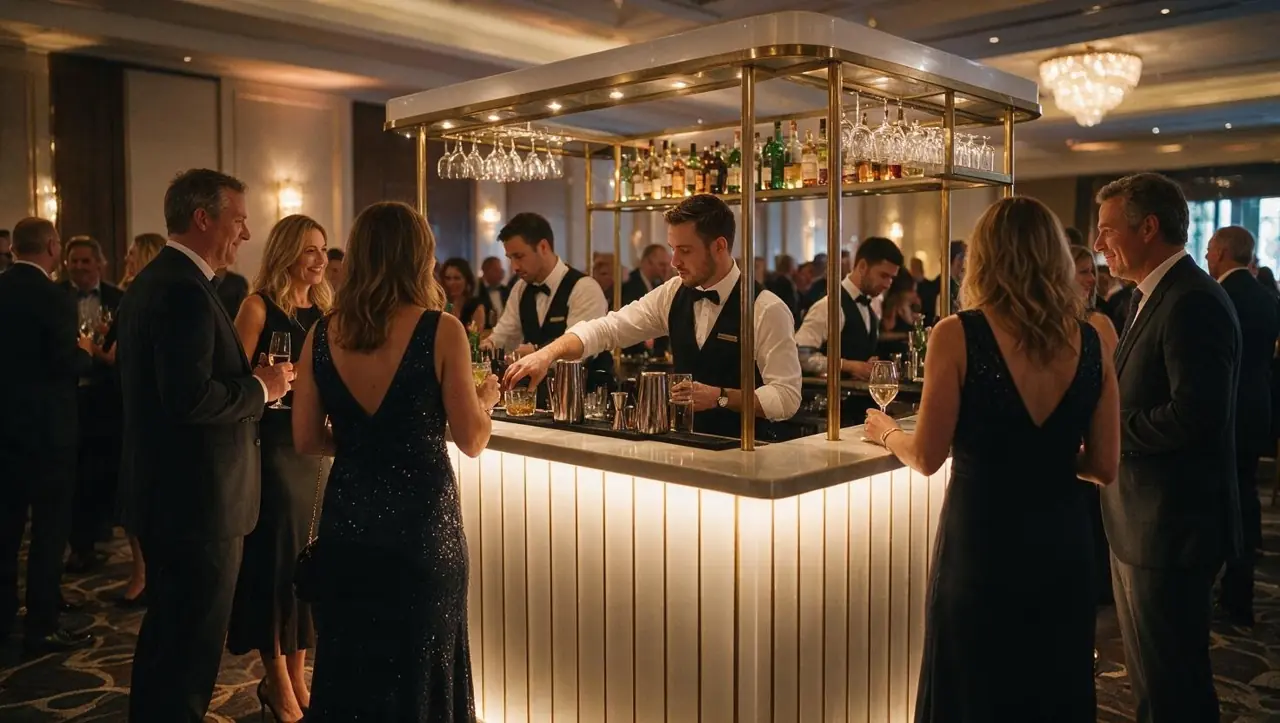
Most corporate functions are covered by a licensed venue. The trouble starts when you leave one.
- Gauteng has no "special event licence". The Act calls it a catering or occasional permit, valid for up to seven consecutive days.
- At a licensed venue, served by the venue, its licence very likely covers you. Get that confirmed in writing.
- At an unlicensed site where drinks are sold, plan for a permit. Lodge it at least 14 days before the event.
- Fee: R2,000 under the 2016 schedule. Fees were revised in June 2026, so confirm the current amount with the Gauteng Liquor Board.
- Getting it wrong can mean a fine of up to R100,000, up to 10 years' imprisonment, or both.
Most of the time the liquor side of a corporate event takes care of itself, because the hotel or conference centre is licensed and its staff serve. The risk shows up when you move the party: a year-end in the office parking lot, a launch in a warehouse, a family day on a farm, or a client function in a marquee with a mobile bar.
What permit does a corporate event need in Gauteng?
Many websites talk about a "special event liquor licence" or "temporary licence". Those terms don't appear in the Gauteng Liquor Act 2 of 2003. The Act defines a permit as "a catering or occasional permit", and section 28(1)(a)(xiii) lists it as a type of on-consumption licence. Section 31 sets the rules:
- A local committee of the Board grants or refuses the permit.
- It may be granted for no longer than seven consecutive days.
- The committee must be satisfied that selling liquor is not the applicant's principal business but incidental to the occasion.
- It approves a plan of the premises, can exclude sales in certain areas and decides which kinds of liquor may be sold.
The Act also requires the applicant to show "exceptional circumstances".
Is my event already covered by the venue's licence?
An on-consumption licence allows sales for consumption on the licensed premises, and the Act limits business under a licence to those premises. So a function held inside a licensed hotel's or restaurant's licensed area, and served by the venue, appears to be covered. We found no Gauteng Liquor Board guidance that addresses private corporate functions directly, so treat this as the likely position, not a guarantee.
Two situations need more care:
- Free drinks at an unlicensed site. Selling liquor without a licence or permit is an offence, and "sell" is defined broadly to include supplying. The Act doesn't say whether a company handing out free drinks at its own staff party needs a permit. Get confirmation from the Board's regional office before you rely on either answer.
- An outside bar at a licensed venue, or a function in a part of the venue that may not be on its licensed plan. Ask the venue in writing.
Answer four questions below for a quick steer:
Who applies: you, the venue or the caterer?
The Act doesn't name the organiser, caterer or venue as the applicant. Its wording, that sales must be incidental to "the occasion held by the applicant", points towards the host of the event. Licensing consultants, on the other hand, treat a mobile bar operator as the applicant for each event it works. Because the sources disagree, settle it in your contract: name who applies, who pays, and who carries the risk if the permit is refused. Our sister platform has a mobile bar and food truck permit guide written for vendors, so share it with yours.
Timeline, documents and fees
A Gauteng liquor-office brochure, reproduced by the Restaurant Association of South Africa, says the application must be lodged 14 days before the event at the regional office where the event happens. Practitioners quote 14 working days to 30 days, and the committee has 21 days to consider an application, so lodge three weeks out.
The same brochure lists what to submit:
- A commissioned application form
- Proof of lawful occupation of the site
- A written motivation with supporting documents
- A proper, detailed sketch plan
- Certified copies of IDs
- Proof of payment of the fee
- For companies: the certificate of incorporation and a resolution
On fees, the 2016 amended schedule sets R2,000 for catering or occasional permits (older material still quotes R1,000). Gauteng's liquor fees were revised from 24 June 2026 under Provincial Notice 387 of 2026, and we couldn't verify the new amount, so confirm the current fee with the Gauteng Liquor Board before you pay.
Provincial comparison
| Gauteng | KwaZulu-Natal | Western Cape | |
|---|---|---|---|
| Law | Gauteng Liquor Act 2 of 2003 | Liquor Licensing Act 6 of 2010; Regulations PN 45 of 2014 | Western Cape Liquor Act 4 of 2008 (s48) |
| Instrument | Catering or occasional permit (max 7 consecutive days) | Special events permit | Temporary / special-event liquor licence |
| Lodge by | 14 days before (official brochure) | 14 days before (reg 16(2)) | 39 or 40 days before, depending on the source |
| Fee | R2,000 (2016 schedule; revised June 2026, confirm) | R1,000 + R1,000 per trading day | Confirm with the WCLA; late penalty quoted at R475/day |
| Extras | Sketch plan, motivation, proof of occupation | Municipal consent, organiser consent, security plan, SAPS report; decision within 5 days | Confirm the current form with the WCLA |
Liquor retail is regulated provincially, so a Cape Town roadshow stop needs far more lead time than a Sandton one.
What to put in the catering or bar contract
- Licence position: the supplier states whether it will trade under the venue's licence, its own permit, or one you must obtain, and supplies a copy before the event.
- Applicant and costs: who lodges, who pays the fee and who covers losses if the permit is refused.
- Approved areas: service only in the areas on the approved plan.
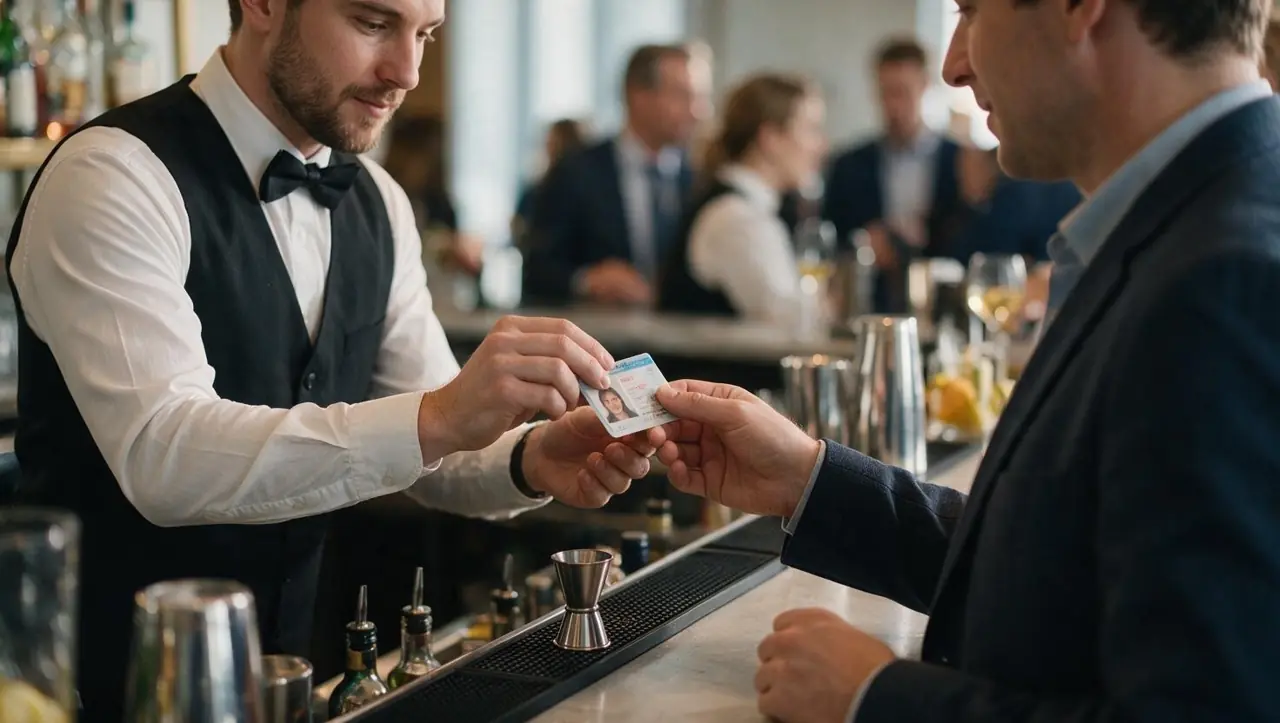
- Responsible service: ID checks, no service to under-18s or intoxicated guests, and the right to close the bar.
Responsible service: the age rule people get wrong
The Gauteng Act defines a "minor" as someone under 21. Its ban on selling or supplying liquor, though, uses 18: section 46 says a licensee may not sell or supply liquor to anyone under 18, and supplying liquor to an under-18 or an intoxicated person is an offence. Card anyone who looks young. Family days with teenagers need a clear wristband or ID system. Penalties under section 133 run to a fine of up to R100,000, imprisonment of up to 10 years, or both.
Trading hours for permit holders are set by regulation, and we haven't verified the current times, so ask the Board when you apply. If liquor is on sale at a large public-facing event, it also affects your SASREA risk category.
Running bars at scale? B&W Productions explains how it handles bar operations and liquor compliance at stadium beer gardens and brand activations.
Frequently asked questions
Do I need a liquor licence for a corporate event in Gauteng?
Not if the function is at a licensed venue whose own staff serve within its licensed premises. That appears to be covered, but confirm it in writing. If liquor is sold at an unlicensed site, you very likely need a catering or occasional permit under section 31 of the Gauteng Liquor Act.
How far in advance must I apply for an occasional liquor permit in Gauteng?
The official brochure says lodge at least 14 days before the event at the regional office where it is held. Practitioners quote longer, and the local committee has 21 days to consider applications, so lodge about three weeks out.
How much does an occasional liquor permit cost in Gauteng?
The 2016 fee schedule set R2,000 for catering or occasional permits. Fees were revised from 24 June 2026, and the new amount wasn't verified for this guide, so confirm the current fee with the Gauteng Liquor Board.
Do we need a permit if the company pays for all the drinks?
The Gauteng Act doesn't expressly say. It prohibits selling without a licence or permit and defines selling broadly. Ask the Gauteng Liquor Board's regional office for confirmation before relying on free hosting being exempt.
What is the drinking age at corporate events?
Licensees may not sell or supply liquor to anyone under 18. The Gauteng Act's definition of 'minor' says under 21, but the sales ban uses 18, so brief bar staff on the under-18 rule and check IDs.
Does a mobile bar need its own permit?
Licensing consultants say a mobile bar in Gauteng can't get a permanent licence and needs a new occasional permit for each event. Agree in the contract whether the operator or the host applies.
Sources
- Gauteng Liquor Act 2 of 2003 (Laws.Africa)
- Gauteng Liquor Act and amended fee schedule (Gauteng DED)
- Gauteng Liquor Amendment Regulations, 2026 (PN 387 of 2026)
- RASA: applying for a liquor licence (Gauteng brochure)
- KZN Liquor Licensing Regulations, PN 45 of 2014
- Liquor Licence Lawyer: event liquor licences (Western Cape)
- Western Cape Liquor Authority: event liquor licences
- Liquor Licensing: mobile liquor licences
This guide is general information, not legal advice. Liquor laws, fees and municipal requirements change, so confirm with the relevant provincial liquor authority or a qualified attorney before your event.
Related Articles


Need Help Planning Your Event?
B&W Productions has delivered 10,000+ events across South Africa since 1993.