
Load-Shedding Event Planning: The Complete Contingency Guide for South African Events
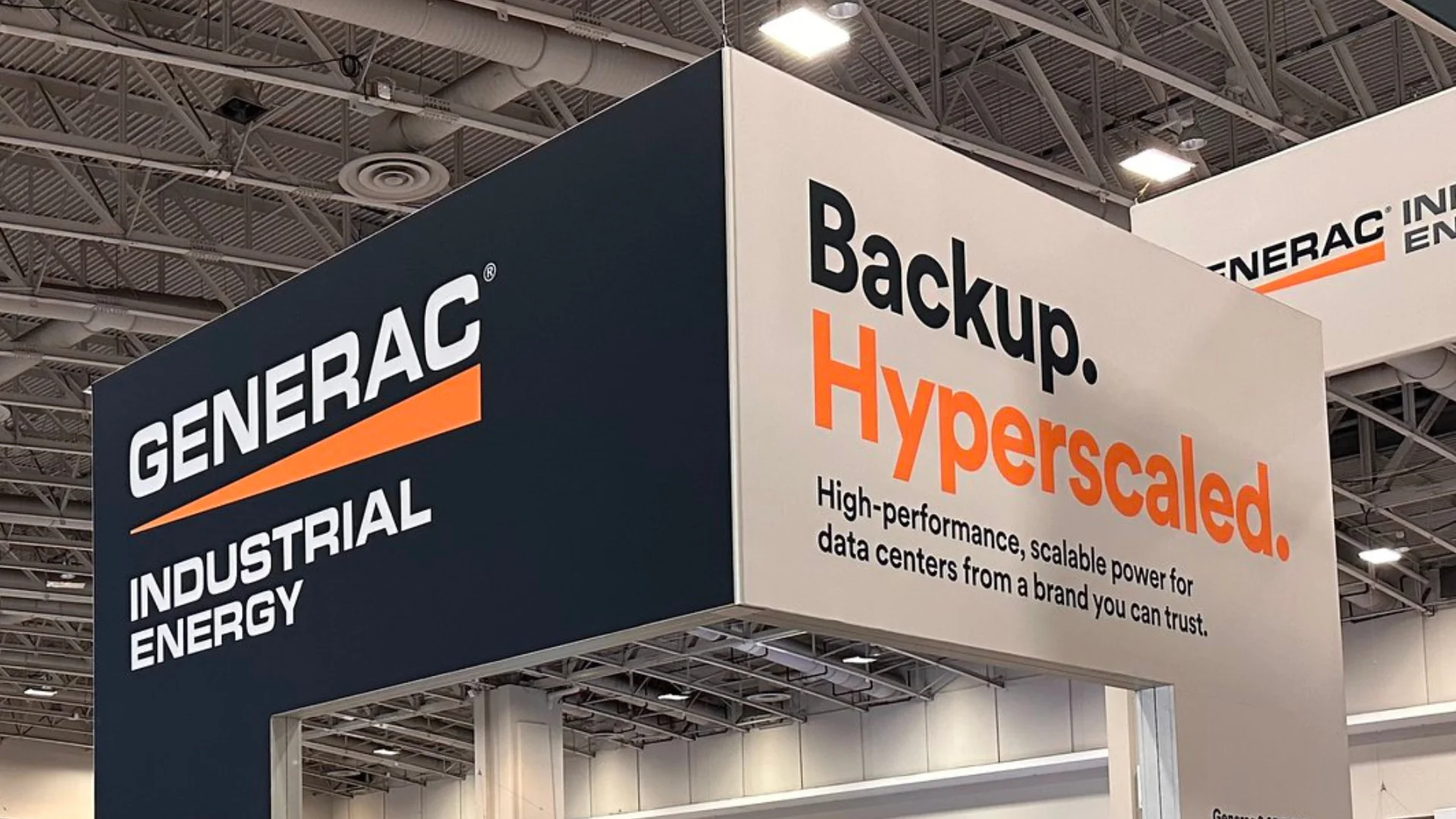
Load-Shedding Is an Event Planning Issue, Not Just an Energy Issue
Since 2019, South Africans have lived with rolling blackouts — and for corporate event planners, load-shedding is not merely an inconvenience. It is a risk that can destroy months of preparation in seconds. A 2-hour power outage during a keynote presentation, a gala dinner served cold because the kitchen lost power, a live stream that drops mid-broadcast — these are scenarios we have personally managed and resolved over the past six years.
The good news: load-shedding is entirely manageable with the right planning. The bad news: most event planners (and many venues) are still caught off-guard because they treat power backup as an afterthought rather than a core planning element. This guide gives you the tools to make load-shedding a non-issue at your next corporate event in Johannesburg or anywhere in South Africa.
Understanding Load-Shedding Schedules for Event Planning
Eskom's load-shedding schedule operates in stages (1–8), with each stage representing increasingly severe power cuts. For event planning purposes:
- Stage 1–2: 2-hour outages, predictable schedules. Manageable with basic generator backup.
- Stage 3–4: More frequent outages. Expect 4–6 hours of load-shedding per day. Generator fuel consumption becomes a significant cost factor.
- Stage 5–6: Extended outages. Events become heavily generator-dependent. Diesel costs can double, and generator availability becomes scarce.
- Stage 7–8: Severe, unpredictable outages. These stages are rare but require the most robust contingency plans.
Always check the current load-shedding schedule for your venue's area in the days leading up to your event. Apps like EskomSePush provide area-specific schedules and push notifications. For critical events, we also monitor Eskom's system status directly for any unplanned outage warnings.
Generator Sizing for Corporate Events
The single most common load-shedding mistake in event planning is under-sizing the generator. A generator that is too small for the power load will either fail to start or trip under load — both of which can be worse than no generator at all.
How to Calculate Generator Size
Generator capacity is measured in kilovolt-amperes (kVA). As a general guideline:
- Small event (50–100 guests, basic AV, lighting): 20–40 kVA
- Mid-size conference (200–500 delegates, full AV, catering): 80–150 kVA
- Large event (500+ guests, full production, kitchen, HVAC): 250–500+ kVA
- Exhibition hall (stands with individual power supplies): 500+ kVA
Critical rule: always size your generator at 1.5× your calculated power requirement. Motors in HVAC systems and catering equipment draw 3–5× their normal power during startup, which can overload an undersized generator.
Generator Hire Costs in Johannesburg
- 20 kVA generator: R3,000–R5,000 per day
- 100 kVA generator: R8,000–R15,000 per day
- 250 kVA generator: R15,000–R30,000 per day
- 500 kVA generator: R30,000–R50,000 per day
- Diesel fuel: approximately R1,500–R5,000 per day depending on load
During high load-shedding stages, generator hire demand spikes and availability drops. Book your generator at least 2–4 weeks before the event, and confirm delivery and setup logistics.
Protecting Your AV Production During Load-Shedding
Even with a generator, the switchover period (typically 5–30 seconds) can crash projectors, reset lighting desks, and kill live streams. For professional events, you need a UPS (Uninterruptible Power Supply) system to bridge the gap.
Critical AV Equipment That Needs UPS Protection
- Projectors and LED screens (a 10-second power interruption resets most projectors, requiring a 2–3 minute restart)
- Streaming encoders and internet routers
- Lighting desks and DMX controllers
- Sound mixing desks
- Laptops running presentation slides (most have built-in batteries, but verify)
UPS Sizing for Events
A 3 kVA online UPS (R15,000–R25,000 to hire) provides 10–15 minutes of backup for critical AV equipment, which is more than enough to bridge a generator switchover. For hybrid events with live streaming, we always deploy a dedicated UPS for the streaming encoder, router, and camera power distribution.
Catering Contingencies During Load-Shedding
Kitchen equipment is one of the highest power consumers at any event. When load-shedding hits, fridges stop, ovens cool, and the cold chain breaks. Here is how to plan around it:
- Confirm that the venue's generator covers the kitchen — many only power lights and sockets
- Request a menu that can be partially prepared in advance and finished cold or at low heat
- Ask the caterer about their own generator backup at their production kitchen
- For outdoor events, ensure gas cooking equipment is available as backup
- Ice machines and fridges lose temperature within 30–60 minutes without power — plan cold storage accordingly
Venue Load-Shedding Checklist
When inspecting any venue for a corporate event in South Africa, ask these critical questions:
- Does the venue have a generator? What is the kVA capacity?
- What areas of the venue does the generator cover? (Main hall? Kitchen? Bathrooms? Parking?)
- What is the generator switchover time? (Acceptable: under 10 seconds. Ideal: under 3 seconds with ATS.)
- Does the generator have an Automatic Transfer Switch (ATS) or manual changeover?
- How much diesel does the generator consume per hour? Is diesel included or charged separately?
- Is there sufficient diesel on-site for a full day of load-shedding?
- Has the generator been load-tested in the last 6 months?
- Is there a technician on-site during events to manage the generator?
- Does the venue have a UPS for critical systems (fire panels, security, lifts)?
- What is the venue's Wi-Fi backup plan? (Fibre outages often accompany load-shedding area switches.)
Live Streaming During Load-Shedding
Hybrid and virtual events face the highest risk from load-shedding because a streaming interruption is visible to hundreds or thousands of remote delegates. Our load-shedding streaming setup includes:
- Dedicated UPS on all streaming equipment (encoder, router, cameras)
- Dual ISP connectivity (fibre + LTE bonding) so a fibre outage does not kill the stream
- 4G/5G bonding device as tertiary backup
- Pre-recorded content cued and ready to deploy if the live feed drops (this buys time to restore)
- A dedicated technical operator monitoring power status and stream health throughout the event
Real-World Example: How We Handled Stage 6 During a Sandton Conference
In October 2024, we managed a 3-day conference for 600 delegates at the Sandton Convention Centre during Stage 6 load-shedding. Power cuts hit during the opening keynote on Day 1 and twice during Day 2 breakout sessions. Because we had deployed UPS systems on all AV, dual internet with LTE bonding, and confirmed the SCC's generator capacity in advance, not a single delegate experienced an interruption. The live stream ran continuously across all 3 days with zero dropouts. The only visible impact was the muffled sound of the generator kicking in outside the venue — which delegates did not even notice.
Planning made the difference. The same event without our contingency measures would have experienced multiple presentation crashes, a dropped live stream, and potentially cold food during the gala dinner on Day 2.
Load-Shedding Planning Timeline
- 3–6 months before: Confirm venue generator capacity and coverage during site inspection
- 2–4 weeks before: Book generator hire (if venue backup is insufficient). Confirm UPS requirements with AV supplier.
- 1 week before: Check EskomSePush for the venue area's load-shedding schedule during event dates
- 2 days before: Confirm diesel levels and generator test-run with the venue
- Event day: Technical operator on-site monitoring power status. Pre-recorded backup content loaded and tested.
Frequently Asked Questions
Can I still host a corporate event during load-shedding in South Africa?
Absolutely. With proper generator backup, UPS systems for critical equipment, and a structured contingency plan, load-shedding should have zero visible impact on your event. We have successfully delivered hundreds of events during all stages of load-shedding.
How much does load-shedding backup add to an event budget?
For a mid-size event (200–500 delegates), expect R15,000–R50,000 for generator hire, diesel, and UPS systems. Many venues include generator backup in their hire fee — always confirm before budgeting separately.
Do Johannesburg conference venues have generators?
All reputable conference venues in Johannesburg — including Sandton Convention Centre, Gallagher Convention Centre, The Maslow, and major hotels — have generator backup. However, coverage levels vary. Always ask the specific questions in our venue checklist above.
What happens to live streaming during a power cut?
Without a UPS, the stream will drop immediately and take 2–5 minutes to restore. With a UPS bridging to generator power, the stream continues uninterrupted. We always deploy UPS systems for any event with a live streaming component.
Should I cancel an outdoor event because of load-shedding?
No. Outdoor events simply need a mobile generator on-site. Ensure the generator is positioned away from the event area (they are noisy) and that cabling is safely routed. A 100 kVA mobile generator covers most outdoor event power requirements.
Related Articles

Need Help Planning Your Event?
B&W Productions has delivered 10,000+ events across South Africa since 1993.